How to Handle a Desert Pullout Without Losing Your Cool
Driving in the UAE means sharing the road with everything from sleek sedans to massive construction trucks. But one of the trickiest situations you can face isn't on the asphalt at all. It happens when you or another driver needs to leave the main carriageway and move onto the soft ground alongside. That moment, often called a desert pullout, can turn a routine trip into a real headache if you don't know what to expect.
I have spent years helping drivers get unstuck from sand, mud, and gravel shoulders across Dubai. The most common mistake people make is treating a desert pullout like a regular parking spot. They swing off the road at speed, hit the brakes, and suddenly find themselves sinking into soft sand. By the time they realise what has happened, the vehicle is already bogged down to the axles.
Understanding the mechanics of a desert pullout is the first step to avoiding trouble. The key is to approach any unpaved shoulder with caution. Slow down well before you leave the tarmac. Shift into a lower gear if you are driving a four-wheel drive. If you are in a regular car, try to keep your momentum steady and avoid sharp turns. The goal is to keep the wheels on top of the sand, not dig into it.
Why Desert Pullouts Can Be Dangerous
A desert pullout might look harmless. The ground appears flat and hard. But appearances can be deceptive. Sand changes consistency depending on the time of day, recent weather, and how many vehicles have driven over it. What feels firm at ten in the morning can be soft and treacherous by the afternoon when the sun has baked the surface and created a crust that breaks under weight.
Another factor is the slope. Many pullouts along Dubai's highways are not level. They tilt away from the road, sometimes at a deceptive angle. When you pull off, your vehicle can slide sideways or tip slightly. That uneven stance makes it much harder to get back onto the tarmac, especially if you have lost momentum or if the sand has shifted.

I once saw a driver try to help a friend who had pulled into a sandy area to check a map. The helper parked too close, also on the soft shoulder. Within minutes both vehicles were stuck. That kind of chain reaction is more common than you might think. A simple desert pullout turned into a double recovery job that took hours.
What to Do When You Are Stuck
If you do find your vehicle sinking into a desert pullout, the most important thing is to stay calm. Panic leads to bad decisions. The first instinct might be to gun the engine and try to power out. That usually makes things worse. Spinning your wheels digs you deeper and can damage the underside of the car or the gearbox.
Instead, follow these steps:
- Stop immediately. Do not keep trying to move.
- Check the ground around your vehicle. If the sand is soft, do not walk far from the car without a phone or water.
- Call for professional help. Trying to dig yourself out without proper gear often leads to exhaustion and more damage.
- If you have recovery tracks or a board, place them under the wheels in the direction you want to go.
- Deflate your tyres slightly to increase the footprint, but only if you have a way to reinflate them later.
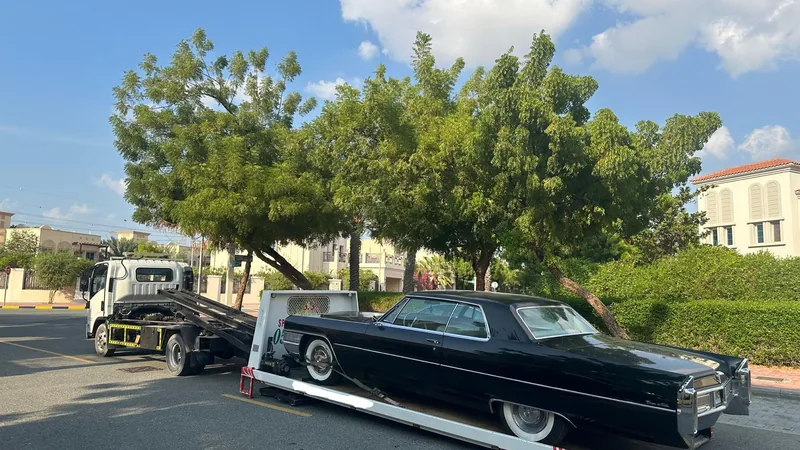
Professional recovery services have the equipment and experience to handle these situations safely. They use winches, straps, and sometimes air bags to lift vehicles out without causing further harm. That is where a reliable service like carrecoverydubai Desert pullout assistance becomes invaluable. They know the local terrain and can reach you quickly, even in remote areas.
Prevention Is Better Than Recovery
The best way to deal with a desert pullout is to avoid getting stuck in the first place. That means thinking ahead. If you see a sign for a rest area or a viewing point, do not assume the ground is safe. Look at the tracks left by other vehicles. If you see deep ruts or tyre marks that look like someone struggled, choose a different spot.
If you must pull off onto sand, follow a few basic rules. Approach slowly and keep the wheels straight. Do not turn sharply until you are sure the ground is firm. If you feel the car start to lose grip, do not stop. Gently increase your speed just enough to keep moving forward. Once you are on solid ground again, you can park safely.
I have also learned to watch for the small things. A sudden change in the colour of the sand, the presence of small plants, or even the way the light hits the ground can tell you whether the surface is stable. Over time you develop a feel for it, but nothing replaces caution.
When to Call for Help
There is no shame in needing assistance. Even experienced drivers get caught out. The desert is unpredictable, and the conditions change fast. What matters is that you call for help before the situation worsens. Trying to free a vehicle on your own can be dangerous. The sand can shift, the car can roll, and the heat can sap your energy quickly.
A professional recovery team will assess the situation, decide the safest way to pull the vehicle out, and do it without causing extra damage. They have the right gear, the experience, and the insurance to cover any mishaps. That peace of mind is worth the cost.
I remember one case where a family had pulled into a desert pullout to take photos at sunset. They had a standard two-wheel-drive car. The sand looked firm, but within seconds the rear wheels were buried. They tried to push the car out themselves, but the more they tried, the deeper it sank. By the time we arrived, the sand had packed so tightly around the axles that we needed a winch and a recovery board. The whole process took about an hour, but it could have been avoided with a little more caution.
Understanding the Terrain
Different parts of Dubai have different types of sand. Near the coast, the sand tends to be damp and compact. Inland, it is dry and powdery. That powdery sand is the most difficult to handle because it offers almost no traction. If you pull into a dry desert pullout, you are essentially driving on millions of tiny ball bearings. Your wheels will spin, and the car will sink.
Another factor is the wind. A strong wind can shift sand across the road surface, creating hidden soft patches. What looks like a solid shoulder might actually be a thin crust over deep loose sand. That is why it pays to check the surface before you commit to leaving the road.

Final Thoughts
A desert pullout does not have to ruin your day. With a bit of knowledge and the right mindset, you can handle it smoothly. Stay aware of your surroundings, drive slowly when leaving the tarmac, and do not hesitate to call for professional help if you get stuck. Services like carrecoverydubai Desert pullout recovery are there to get you back on the road quickly and safely.
Remember that no one plans to get stuck. But if it happens, having a reliable recovery service on speed dial can make all the difference. The desert is beautiful, but it is also unforgiving. Treat it with respect, and you will enjoy your drives without the stress of a stranded vehicle.
I have lost count of the number of drivers who told me they wish they had called earlier. They spent hours trying to dig, push, or tow themselves out, only to end up calling for help anyway. Save yourself the trouble. If you feel the car sinking, stop, assess, and call a professional. It is the smartest move you can make.